How to Color Match Hair Extensions Like a Pro (using dimensional and rooted shades)
- weftsandwaves

- Apr 12
- 5 min read

Color matching is one of the most important, and most intimidating, parts of working with hair extensions. Whether you're a stylist or a client shopping online, knowing how to color match hair extensions correctly can make the difference between a flawless, seamless blend and an obvious mismatch. The good news is that once you understand how dimensional and rooted shades work, the process becomes much easier, and far more forgiving.
This guide will walk you through exactly how to color match hair extensions like a pro, while also helping you feel confident choosing modern, multi-tonal shades such as rooted blondes and lived-in brunettes.
Why Color Matching Matters More than Ever
Hair color has evolved beyond flat, single-process shades. Most clients today were some form of dimensional color - whether that's balayage, highlights, lowlights, or shadow roots. Because of this, traditional, one-tone extension matching often falls short.
When extensions don't reflect the natural variation in the hair, they can look heavy, stripy, or disconnected. Proper color matching isn't about finding one exact shade-it's about re-creating the dimension already present in the hair.
That's why modern extension lines now offer blended shades like our shade Bora Bora, or rooted tones that mimic real salon color. These options make it easier to achieve a seamless result with without over-customization.
Start with the Mid-Lengths and Ends-Not the Root
One of the most common mistakes in the extension color matching is focusing too heavily on the root color. While the root plays a role, especially with rooted extensions, the majority of the extensions length blends with the mid-lengths and ends of the natural hair.
When an evaluating color, always prioritize matching the mid-lengths first. This is where the extensions will live visually, and where the blending matters most. Roots can vary slightly without disrupting the overall look, especially when using rooted or shadowed extension shades.
If you match the root perfectly but ignore the ends, the result can look disconnected-especially in blondes or heavily highlighted hair.
Understanding Dimensional Shades
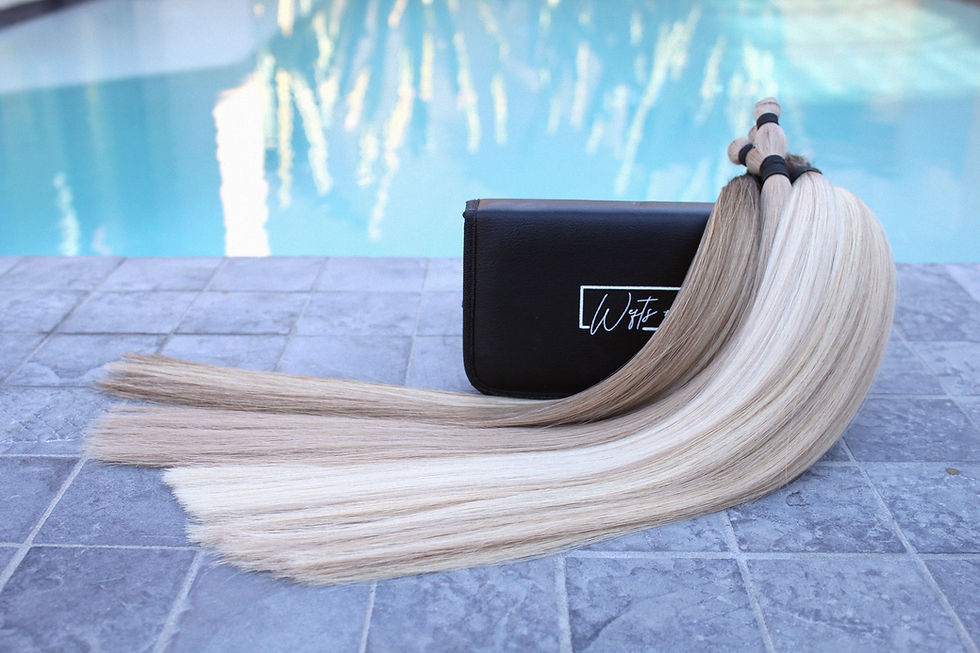
Dimensional shades are designed to replicate the natural highs and lows found in professionally colored hair. Instead of being one solid color, they combine multiple tones within a single weft or strand.
For example, a shade like Bali might include a mix of warm and cool tones at different levels. This variation helps the extensions blend more naturally, especially in hair that isn't one uniform color.
When learning how to color match hair extensions, it's important to embrace dimensions rather than avoid it. Many people assume they need an exact match to one color, when in reality, a slightly varied blend often looks more realistic.
Dimensional shades are particularly helpful for:
Balayage clients
Highlighted blondes
Lived-in brunettes
Clients with natural color variation
The Power of Rooted Shades
Rooted shades are one of the biggest advancements in extension color technology. These extensions feature a darker root that gradually transitions into lighter lengths, mimicking a natural grow-out or shadow root.
This design serves two major purposes. First, it allows for a softer, more natural blend at the top of the head. Second, it significantly reduces the pressure of finding a perfect root match.
For example, if a client has a slightly deeper natural root than their blonde ends, a rooted extension can bridge that gap seamlessly. Instead of forcing a single-tone match, the extension works with the natural contrast in the hair.
Rooted shades are especially ideal for:
Clients with balayage or ombre
Those wanting a low-maintenance grow out look
Anyone between color appointments
Use Natural Lighting Whenever Possible
Lighting can completely change how a color appears. Warm, indoor lighting can make hair look more golden, while cool lighting can emphasize ash tones.
For the most accurate color match, always assess hair in natural lighting. If you're matching remotely or shopping online, look for photos taken outdoors or near a window.
If possible, compare multiple photos of the same shade in different lighting conditions. This gives you a more complete understanding of how the color behaves.
Don't be Afraid to Blend Two Shades
Professional color matching often involves using more than one shade. This technique creates depth and enhances realism, especially for clients with highly dimensional color.
Instead of forcing one shade to do all the work, combining two complementary tones can produce a much more seamless result. For example, pairing a slightly cooler blonde with a warmer one can mimic the natural variation found in highlighted hair.
This approach also helps avoid harsh lines or over the uniform results.
Consider Tone-Not Just Level
When learning how to color match hair extensions, many people focus only on level (how light or dark the hair is). However, tone is just as important.
Tone refers to whether a color is warm, cool, or neutral. Even if two shades are the same level, a difference in tone can make them look completely different when placed side-by-side.
For example:
A level 7 warm blonde will appear golden
A level 7 cool blonde will appear darker and ashy
Matching both level and tone ensures that extensions don't stand out against the natural hair.
When in doubt, go slightly lighter
If you're stuck between two shades, it's often safer to choose a slightly lighter option-especially with professional extensions. Lighter extensions can be toned, low lighted, or blended more easily than darker ones.
Dark extensions on the other hand, are more difficult to adjust without compromising quality. This is particularly helpful for blondes, where subtle tone adjustments can make a big difference.
Texture and Placement Affect Color Perception
Color doesn't exist in isolation-it interacts with texture and movement. Loose waves, curls and layering can all influence how color appears in the hair.
Extensions that are properly layered and styled will naturally blend better, even if the color match isn't 100% perfect. Movement helps distribute tones and prevents any one shade from standing out too strongly. This is why professional installation and styling play a key role in achieving a seamless result.
Final Thoughts: Confidence Comes from Understanding
Learning how to color match hair extension takes practice, but it becomes much easier once you shift your mindset. Instead of chasing an exact, flat color match, focus on re-creating the dimension, tone and depth already present in the hair.
Dimensional and rooted shades are designed to make the process easier, not harder. They allow for flexibility, forgiveness, and more natural looking result.
The most successful color matches don't look "perfect" in isolation... they look effortless when blended into the hair. That's the real goal.
With the right approach, color matching becomes less about guess work and more about strategy, giving you consistently beautiful, professional results every time.

Comments